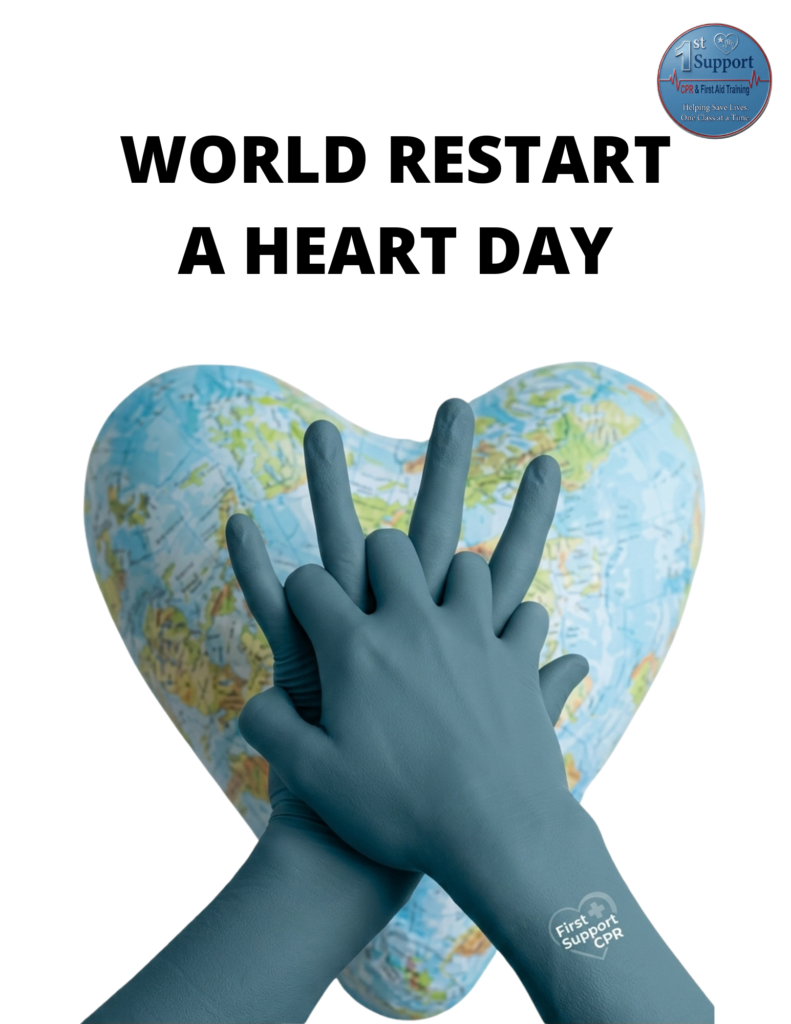
Every Second Counts: Why the Restart a Heart Campaign Matters More Than Ever

Imagine a family member, a colleague, or a complete stranger suddenly collapsing in front of you. They are unresponsive and not breathing normally. In that critical moment, the actions taken within the first few minutes determine whether they survive.

That is the driving force behind the Restart a Heart campaign—an annual global initiative dedicated to raising awareness about cardiac arrest and empowering everyday people with the lifesaving skills of CPR and defibrillation.

The Stark Reality of Out-of-Hospital Cardiac Arrest

Across the world, hundreds of thousands of people experience an out-of-hospital cardiac arrest every year. Survival rates remain devastatingly low—often under 10%.

The statistics reveal a critical truth:

  • It happens close to home: Around 80% of cardiac arrests occur in domestic settings, meaning the victim is most likely someone you know and love.

  • Time is muscle and brain: For every minute a person in cardiac arrest goes without CPR and defibrillation, their chance of survival drops by up to 10%.

  • Bystanders make the difference: Performing immediate CPR can double or even triple a person’s chances of survival.

Demystifying Lifesaving: The 3 Simple Steps

The primary goal of the Restart a Heart campaign is to break down the fear and hesitation surrounding emergency intervention. You don’t need years of medical training to save a life; you just need to remember three basic steps:

  1. Call: Recognize the emergency immediately, call local emergency services, and put the call on speaker so dispatchers can guide you.

  2. Push: Start Hands-Only CPR. Place your hands in the center of the person’s chest and push hard and fast—at a rate of 100 to 120 compressions per minute.

  3. Shock: If an Automated External Defibrillator (AED) is nearby, send someone to retrieve it. Modern AEDs provide clear, spoken instructions and will only deliver a shock if the victim’s heart rhythm requires it.

How You Can Get Involved

Mark your calendar for October 16th—World Restart a Heart Day. Leading up to and during October, communities, schools, and workplaces host free training sessions and awareness drives.

Here is how you can participate:

  • Take a free online CPR refresher: Digital interactive tools allow you to learn hands-only CPR in as little as 15 minutes right from your phone.

  • Locate local AEDs: Know where defibrillators are installed in your neighborhood, office, or local community centers.

  • Spread the word: Share CPR training resources on social media to help demystify resuscitation for your friends and family.

Doing something is always better than doing nothing. By taking a few minutes to learn CPR today, you become a crucial link in the chain of survival.

Why Basic Life Support (BLS) Training Matters: Be Ready to Save a Life

Every day, ordinary people are faced with extraordinary emergencies. A coworker collapses at the office. A loved one suddenly becomes unresponsive at home. A patient experiences cardiac arrest in a healthcare setting. In these critical moments, knowing what to do can make all the difference.

That’s why Basic Life Support (BLS) training is one of the most valuable certifications you can earn. At First Support CPR & First Aid Training, we believe everyone—especially healthcare professionals and those who care for others—should have the knowledge and confidence to respond when every second counts.

What Is Basic Life Support (BLS)?

Basic Life Support (BLS) is a level of emergency care that focuses on recognizing life-threatening emergencies and providing immediate care until advanced medical help arrives. BLS training equips participants with the skills needed to respond quickly and effectively during cardiac and respiratory emergencies.

A comprehensive BLS course typically covers:

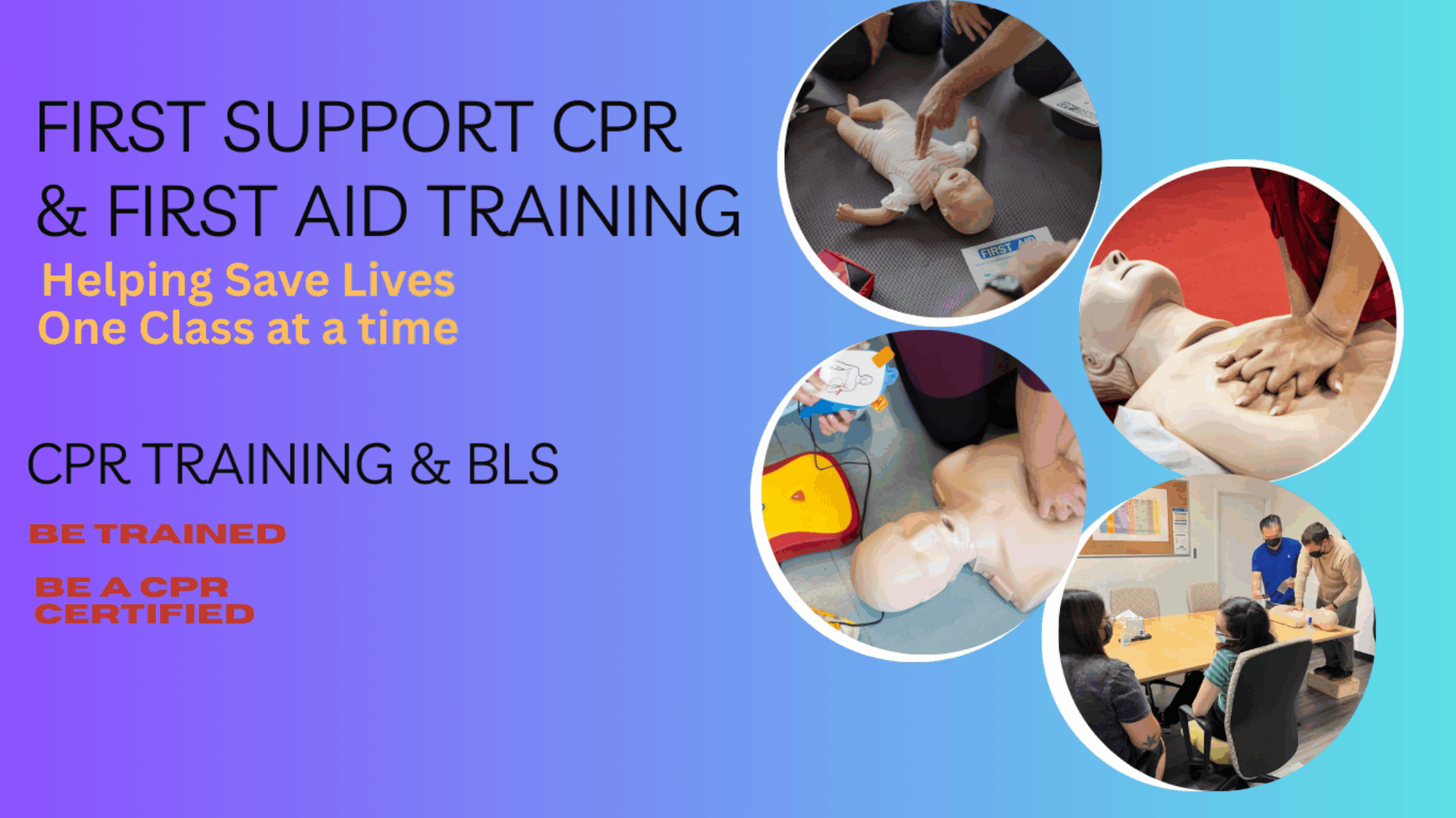
  • High-quality CPR for adults, children, and infants
  • Proper use of an Automated External Defibrillator (AED)
  • Relief of choking in adults, children, and infants
  • Effective team-based resuscitation
  • Rapid assessment and emergency response
  • Communication during medical emergencies

These skills are essential for healthcare providers and are also valuable for anyone who wants to be prepared to help during a life-threatening emergency.

Who Should Take a BLS Course?

Basic Life Support training is recommended for:

  • Nurses
  • Physicians
  • Emergency Medical Technicians (EMTs)
  • Dentists and dental assistants
  • Medical and nursing students
  • Respiratory therapists
  • Physical and occupational therapists
  • Home health providers
  • Healthcare office staff
  • Anyone whose job requires BLS certification

Even if you are not a healthcare professional, learning these life-saving techniques can help you respond confidently if an emergency happens at home, at work, or in your community.

Why Keeping Your BLS Certification Current Is Important

Medical guidelines continue to evolve as new research improves our understanding of resuscitation science. Regular renewal ensures that your skills remain current and effective.

Renewing your BLS certification helps you:

  • Stay up to date with the latest CPR recommendations
  • Maintain confidence in emergency situations
  • Meet employer and licensing requirements
  • Improve teamwork during medical emergencies
  • Practice hands-on skills that can diminish over time

Regular training reinforces muscle memory and prepares you to act quickly when it matters most.

The Difference Between CPR and BLS

Many people ask whether CPR and BLS are the same. While they are closely related, BLS provides more comprehensive training.

A standard CPR course teaches essential life-saving skills for the general public, including chest compressions, rescue breathing, AED use, and choking relief.

BLS includes these core skills while also emphasizing coordinated team response, advanced assessment techniques, and emergency care practices commonly used in healthcare settings.

Flexible Training Designed for Busy Schedules

At First Support CPR & First Aid Training, we understand that healthcare professionals and working adults have demanding schedules.

That’s why we offer hybrid BLS certification courses, allowing you to:

  • Complete the online learning portion at your own pace
  • Attend a convenient in-person skills session
  • Receive hands-on instruction from experienced instructors
  • Earn a nationally recognized certification

Our goal is to make high-quality training accessible without compromising the hands-on practice needed to build confidence.

Be the Person Who Makes a Difference

Emergencies are unpredictable, but your response doesn’t have to be.

Whether you’re caring for patients, protecting your workplace, or supporting your family, Basic Life Support training prepares you to take immediate action during a medical emergency.

The confidence you gain through training could one day help save the life of a patient, coworker, friend, family member, or even a complete stranger.

Train with First Support CPR & First Aid Training

At First Support CPR & First Aid Training, we are committed to providing professional, engaging, and practical instruction for individuals, healthcare providers, businesses, schools, and community organizations throughout San Jose and the surrounding areas.

Our courses include:

  • Basic Life Support (BLS)
  • CPR/AED
  • First Aid
  • First Aid CPR AED
  • Pediatric CPR AED

Whether you’re earning your certification for the first time or renewing an existing one, our experienced instructors are here to help you build the skills and confidence to respond when every second counts.

Ready to Get Certified?

Invest in a skill that can make a lasting difference.

📍 First Support CPR & First Aid Training
Serving San Jose and surrounding communities

📞 (408) 475-7724

Helping save lives, one class at a time.