heart attack cardiac arrest

Heart Attack Cardiac Arrest What are the Difference?

What is a heart attack?

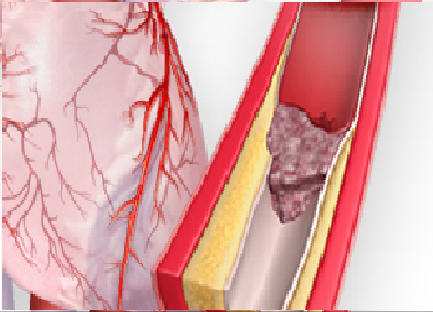
A heart attack occurs when a blocked artery prevents oxygen-rich blood from reaching a section of the heart. If the blocked artery is not reopened quickly, the part of the heart normally nourished by that artery begins to die. The longer a person goes without treatment, the greater the damage.

Symptoms of a heart attack may be immediate and intense. More often, though, symptoms start slowly and persist for hours, days or weeks before a heart attack. Unlike with sudden cardiac arrest, the heart usually does not stop beating during a heart attack. The heart attack symptoms in women can be different than men.
heart attack cardiac arrest

What to do: Heart Attack

Even if you’re not sure it’s a heart attack, call 911 or your emergency response number. Every minute matters! It’s best to call EMS to get to the emergency room right away. Emergency medical services staff can begin treatment when they arrive — up to an hour sooner than if someone gets to the hospital by car. EMS staff are also trained to revive someone whose heart has stopped. Patients with chest pain who arrive by ambulance usually receive faster treatment at the hospital, too.

What is cardiac arrest?

Sudden cardiac arrest occurs suddenly and often without warning. It is triggered by an electrical malfunction in the heart that causes an irregular heartbeat (arrhythmia). With its pumping action disrupted, the heart cannot pump blood to the brain, lungs and other organs. Seconds later, a person loses consciousness and has no pulse. Death occurs within minutes if the victim does not receive treatment. 

What to do: Cardiac Arrest

Cardiac arrest is reversible in most victims if it’s treated within a few minutes. First, call 911 for emergency medical services. Then get an automated external defibrillator if one is available and use it as soon as it arrives. Begin CPR immediately and continue until professional emergency medical services arrive. If two people are available to help, one should begin CPR immediately while the other calls 911 and finds an AED.

Sudden cardiac arrest is a leading cause of death – over 320,000 out-of-hospital cardiac arrests occur annually in the United States. By performing Hands-Only CPR to the beat of the classic disco song “Stayin’ Alive,” you can double or even triple a victim’s chance of survival.

What is the link?

These two distinct heart conditions are linked. Sudden cardiac arrest can occur after a heart attack, or during recovery.  Heart attacks increase the risk for sudden cardiac arrest. Most heart attacks do not lead to sudden cardiac arrest. But when sudden cardiac arrest occurs, heart attack is a common cause. Other heart conditions may also disrupt the heart’s rhythm and lead to sudden cardiac arrest. These include a thickened heart muscle (cardiomyopathy), heart failure, arrhythmias, particularly ventricular fibrillation, and long Q-T syndrome.

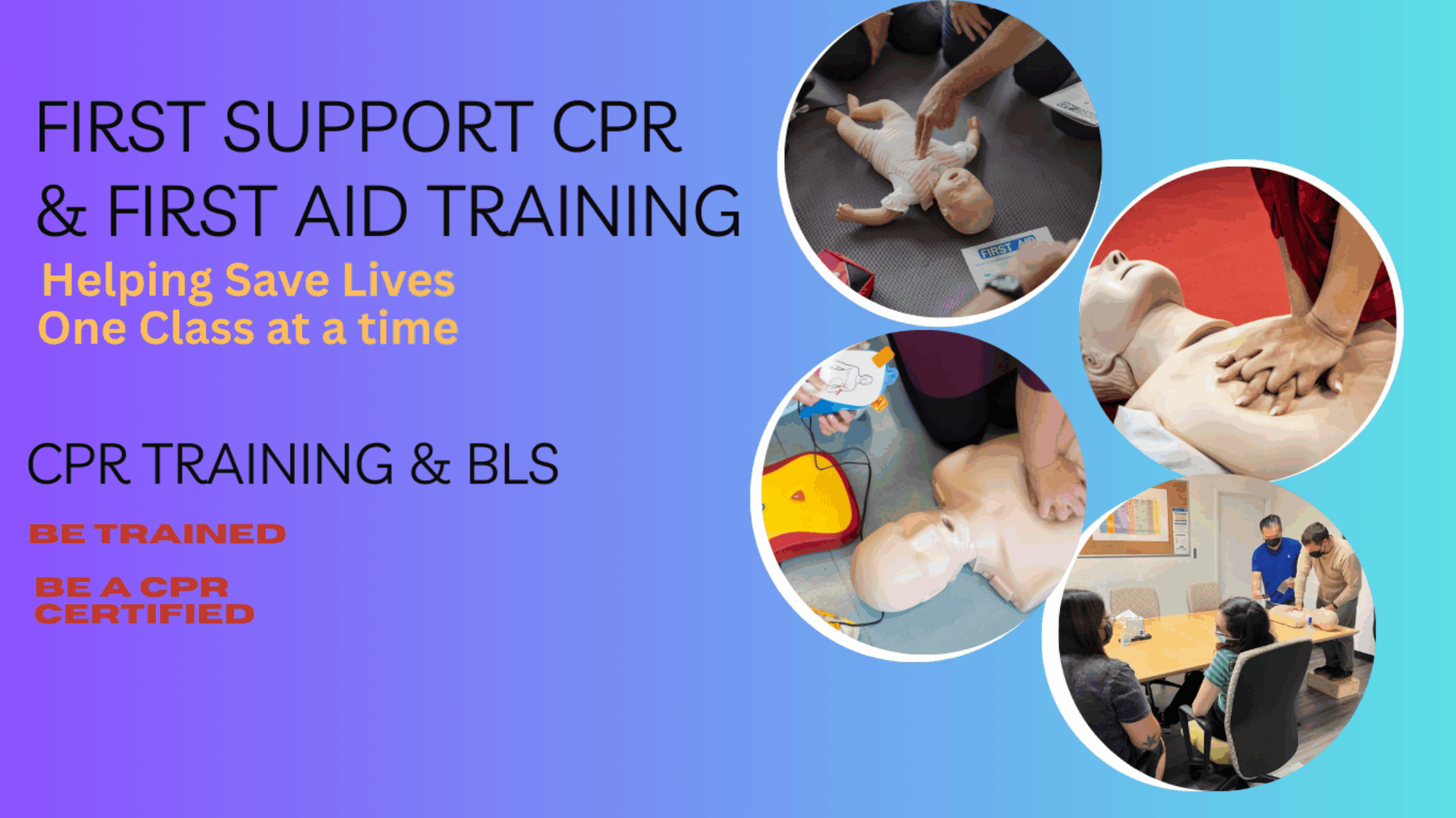
Fast action can save lives. Perform Hands only CPR if someone experiences a heart attack or cardiac arrest.
hands-only-cpr

Hands-only CPR

Hands only CPR was encourage by the American Heart Association and released its 2020 emergency cardiopulmonary resuscitation (CPR) guidelines on October 21, 2020.

Of the 356,461 out-of-hospital cardiac arrest cases in the US in 2019, the survival rate was merely 10.4% because of a lack of high-quality CPR and access to an automated external defibrillator (AED). This device administers an electrical shock to normalize and restart heart rhythms and is designed for use by the public. I am certain that local statistics are similar to US ones, so we must promote awareness and training in CPR and make AEDs more generally available.

During this pandemic, the public can still provide CPR by using a hands-only method and an AED while awaiting an ambulance. Remember that both the rescuer and the victim must wear face masks. No rescue breaths are given at any time during hands-only CPR. First Support CPR and First Aid Training offers CPR classes for certification and recertification.

Updated AHA CPR guidelines address overdoses, technology, cardiac arrest recovery

The American Heart Association’s 2020 guidelines add a sixth link to the cardiac arrest chain of survival and offer new strategies for increasing rates of lay person CPR

The American Heart Association’s regular revisions to its CPR and emergency cardiovascular care guidelines have included changes to epinephrine, therapeutic hypothermia, and compression-to-ventilation ratios over the years. Learn more about the AHA Guidelines for CPR and ECC 2020 updates with:

DALLAS — The American Heart Association (AHA) has released updated CPR guidelines for 2020, which address the management of opioid-related cardiac arrest, the use of digital technology in facilitating cardiac arrest response, social disparities in rates of bystander CPR and post-hospital recovery as part of the cardiac arrest chain of survival. 

The new guidelines were published Wednesday in the association’s Circulation journal and outline a total of 491 recommendations for first responders and lay rescuers. In a press release, the AHA highlighted new suggestions for raising awareness of the importance of bystander CPR. 

The American Heart Association has released its updated 2020 CPR guidelines in the journal Circulation. The new guidelines include 491 recommendations, including recommendations about responding to opioid-related cardiac arrests, encouraging lay person CPR in populations with historically low bystander CPR rates and using digital technology to facilitate CPR response. (Photo/American Heart Association)

The AHA recommends encouraging lay person CPR by underscoring that the risk of causing harm to the patient during CPR is low, and by focusing efforts on socioeconomic, racial and ethnic populations that have historically seen lower rates of bystander CPR. The AHA also stated that CPR training should address gender-related barriers in order to improve bystander CPR rates for women. 

The use of mobile technology by emergency dispatch systems to alert trained bystanders to cardiac arrests near them can also increase the rates of bystander CPR and AED use, according to the AHA. The association also released a digital resuscitation portfolio, a new online program for continuously improving CPR training programs, developed in collaboration with Area9 Lyceum and RQI Partners. 

“In this time of physical distancing, resuscitation education and training delivery must evolve,” said RQI Partners CEO Clive Patrickson, Ph.D., in a statement. “The American Heart Association digital resuscitation portfolio uniquely and efficiently delivers effective CPR quality improvement and leads healthcare organizations on an immediate journey to high-quality and verified CPR competence to maximize lifesaving outcomes.” 

Other changes to CPR guidelines include two new opioid-associated emergency algorithms for first responders and lay rescuers to respond to cardiac arrests caused by overdoses, and new data on pediatric CPR and resuscitation of pregnant patients. The association has also added a sixth link to its cardiac arrest chain of survival addressing the need for continued treatment, monitoring and rehabilitation for survivors after they leave the hospital. 

“The 2020 Guidelines represent a synthesis of important science that guides how resuscitation is provided for critically ill patients,” stated Raina Merchant, M.D., M.S.H.P., FAHA, chair of the American Heart Association Emergency Cardiovascular Care Committee and associate professor of emergency medicine at the University of Pennsylvania. “As the science evolves over time, it’s important that we review it and make recommendations about how providers can deliver high-quality care that reflects the most updated and state-of-the-art information.” 

The AHA’s CPR guidelines are typically updated every five years and have transitioned to a new online format for continuous evidence evaluation since they were last updated in 2015. The full updated guidelines are available online in the Circulation journal with additional resources available on the AHA website. 

For an introduction to the 2020 updates watch this video. 

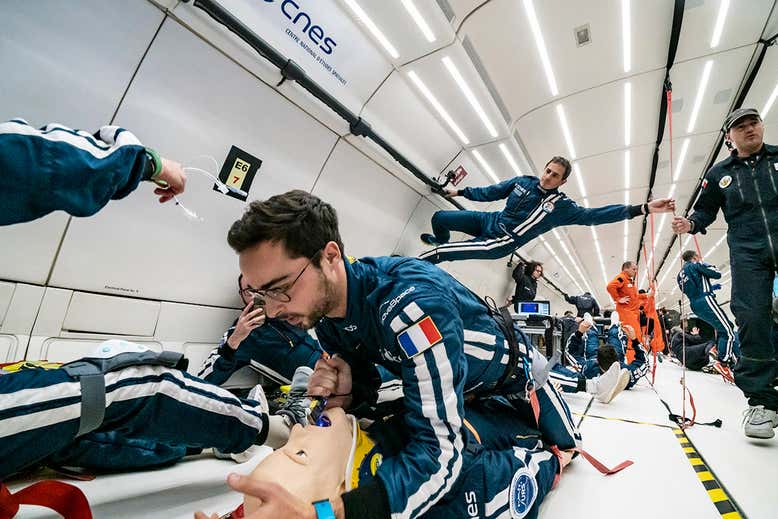
How-to guide for CPR in space may help treat astronaut cardiac arrest

Simulating a medical emergency on an aircraft in microgravity

Alexis Rosenfeld/Getty Images

Nobody has experienced cardiac arrest in space, yet. But with plans to send humans back to the moon within a few years and on missions to Mars down the line, the chances are it will happen at some point.

A new study led by Jochen Hinkelbein at the University Hospital of Cologne in Germany provides the most comprehensive guidelines yet on how to perform cardiopulmonary resuscitation (CPR) in space.

“This is a critical work on a medical emergency that mercifully has not occurred yet during space flight,” says …