With busy schedules this 2026, having a family emergency plan helps everyone stay calm, prepared, and safe.
A little planning now can make a big difference when seconds matter.
Understand Common Daily Risks
Start by talking as a family about emergencies that are more likely during regular days, such as:
Sudden cardiac events
Choking during large meals
Burns from cooking, candles, or heaters
Slips and falls due to winter conditions
Travel-related incidents
Power outages or severe weather
Being aware of these risks helps you prepare with confidence rather than fear.
Create an Emergency Contact Plan
Make sure everyone in your household knows:
How and when to call 911
Important emergency contacts
Where emergency numbers are posted
Save contacts on phones and post a printed list in a visible area of your home.
Assign Simple Emergency Roles
During an emergency, clear roles reduce panic. Decide ahead of time:
Who calls for emergency help
Who begins CPR or First Aid (if trained)
Who retrieves the first aid kit or AED
Who cares for children, seniors, or pets
Practicing these roles builds confidence and speed.
Prepare and Check Your First Aid Kit
Check your First Aid Kit and restock for lacking supplies with:
Bandages, gauze, and antiseptic
Burn relief and cold packs
Gloves and CPR masks
Thermometer and essential medications
Keep kits accessible at home and while traveling.
Learn CPR and Basic First Aid
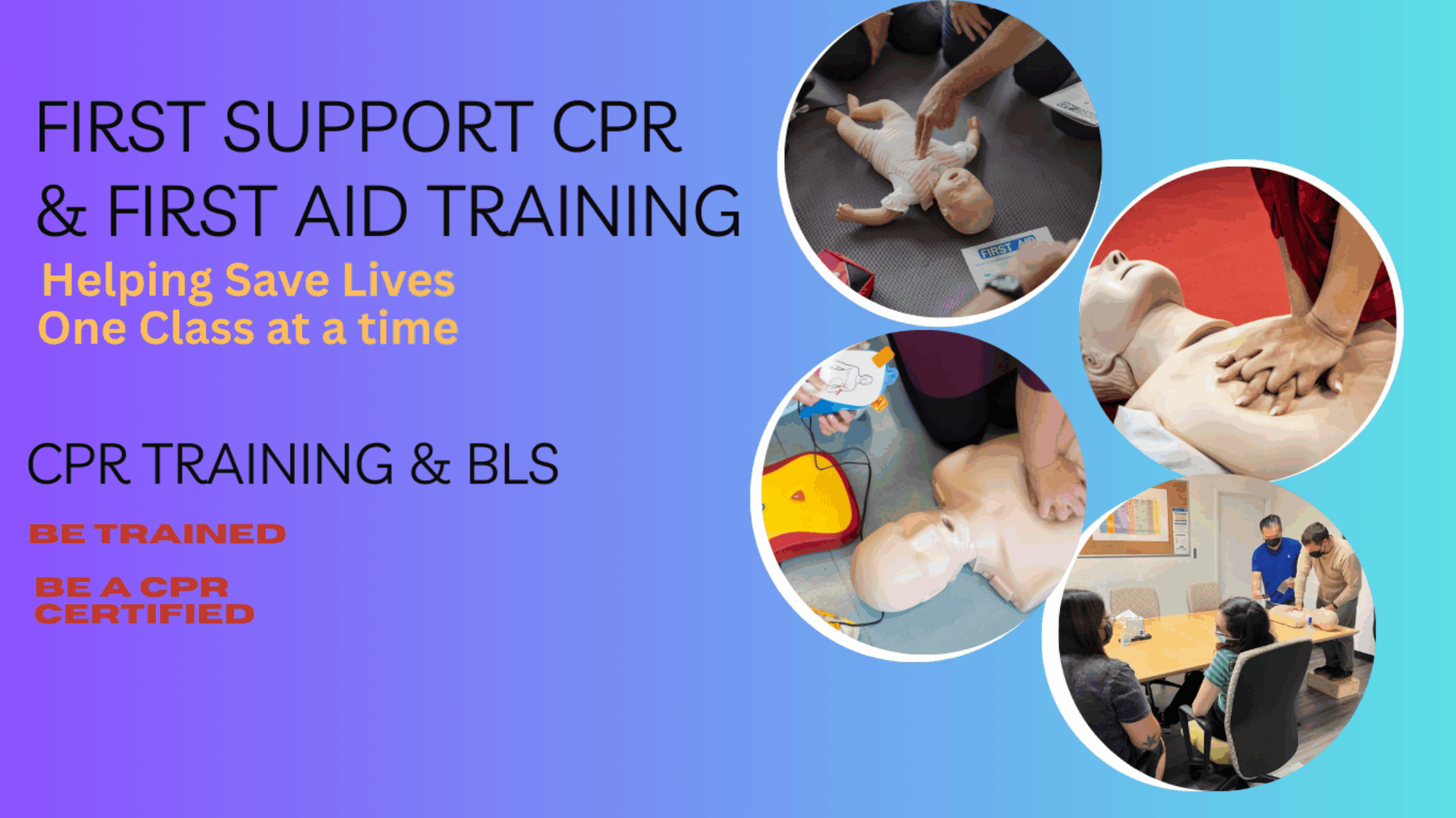
Many medical emergencies happen at home, often witnessed by family members. Knowing CPR, Hands-Only CPR, AED use, and choking response can save a life before professional help arrives.
Plan for Travel Safety
If you’re traveling:
Share itineraries with trusted family members
Know nearby hospitals or urgent care locations
Keep emergency supplies in your car
Make sure phones and chargers are ready
Preparation adds peace of mind wherever you go.
Include Children in the Plan
Teach children age-appropriate safety skills, such as:
Recognizing emergencies
How to call 911
Knowing their home address
Identifying trusted adults
Empowering kids helps them stay calm and act safely.
Practice Your Plan Together
Review your emergency plan:
Before guests arrive
Before travel
When staying in a new location
Even brief practice makes responses more automatic during real emergencies.
Know Where Emergency Equipment Is Located
If your home or building has an AED:
Make sure everyone knows where it is
Check that it’s ready to use
CPR combined with early AED use greatly improves survival.