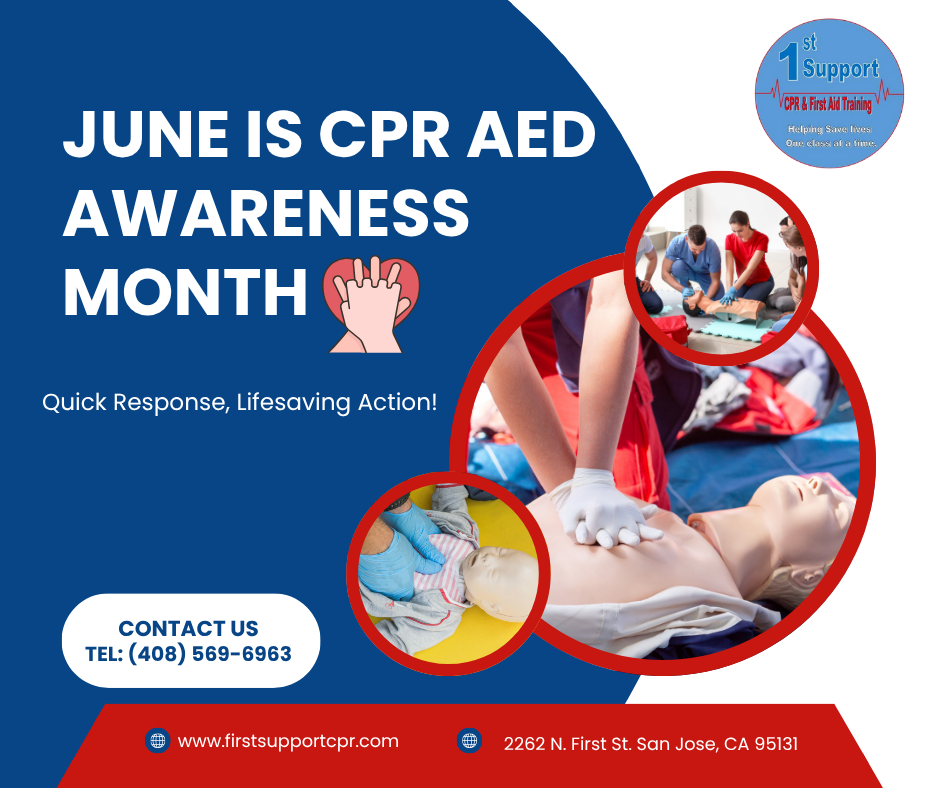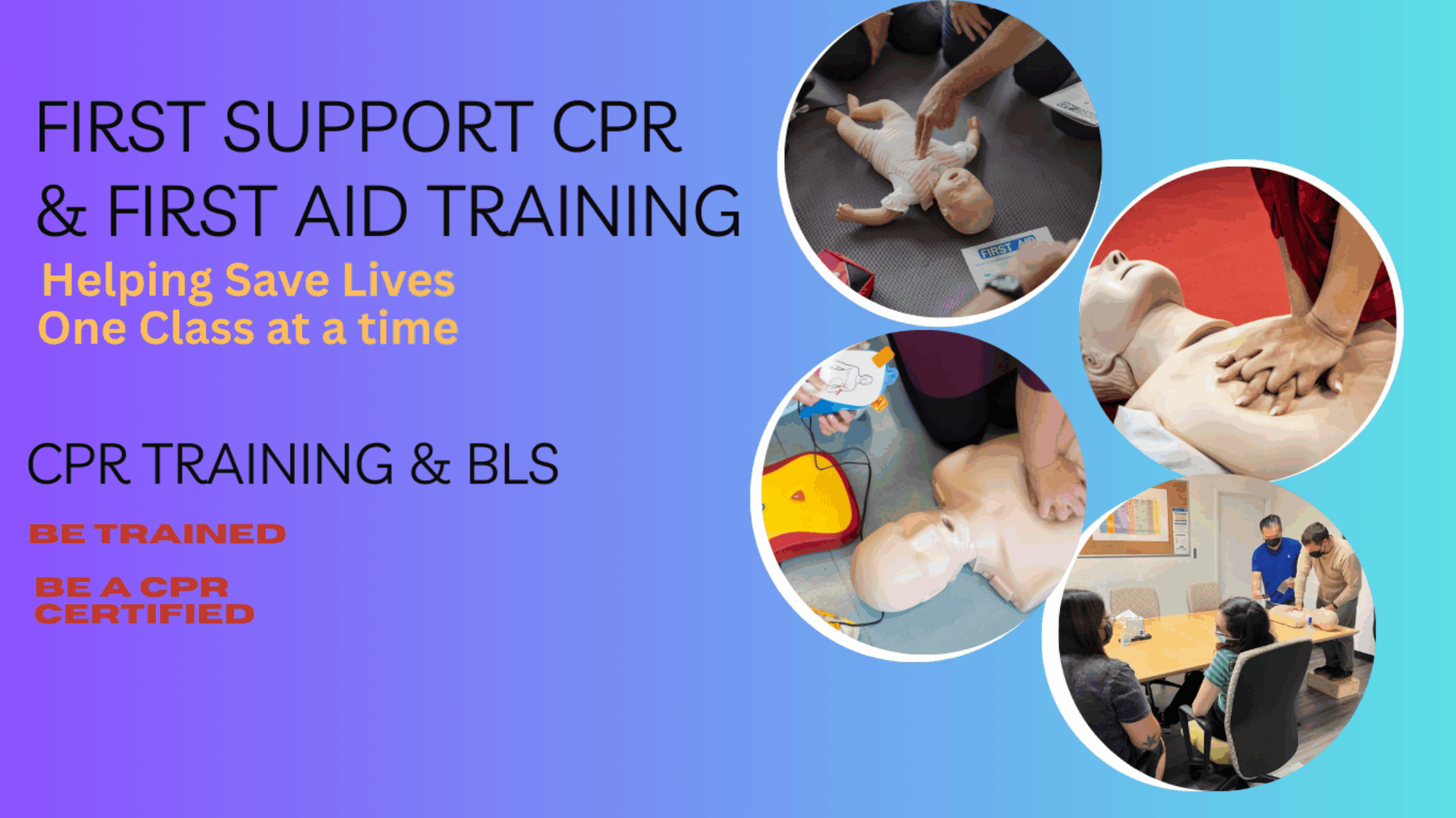
In the world of healthcare, few skills are as universally essential as Cardiopulmonary Resuscitation (CPR). For nurses, it’s not just a skill—it’s a responsibility. Whether you’re working in a hospital, clinic, nursing home, or even off-duty in public, knowing how to perform CPR could be the difference between life and death for someone in cardiac arrest.
This guide offers a practical, step-by-step refresher on performing CPR, particularly for nurses and nursing students. It’s designed to help you stay sharp, follow the latest best practices, and feel confident responding in an emergency.
🩺 What Is CPR and Why Is It Vital in Nursing?
CPR involves a combination of chest compressions and rescue breaths to keep blood and oxygen circulating in someone whose heart has stopped beating effectively. The goal is to preserve brain function and sustain life until advanced medical help arrives or the heart can be restarted.
📋 Step-by-Step Guide: How to Perform CPR
1. Assess the Scene
Before anything, make sure the environment is safe—for you, your patient, and anyone nearby.
2. Check Responsiveness
Gently tap the person and loudly ask, “Are you okay?”
No response? Move to the next step immediately.
3. Call for Help
Dial 911 or activate the emergency response system.
If others are nearby, instruct someone to get help and locate an AED (Automated External Defibrillator) if available.
4. Check Breathing
Look for chest movement.
Listen for breathing.
Feel for air against your cheek.
If the person is not breathing or only gasping, start CPR.
✋ Chest Compressions
Place the heel of one hand in the center of the chest (lower half of the sternum).
Place your other hand on top and interlock your fingers.
Position your shoulders directly over your hands and lock your elbows.
Push hard and fast:
💢 Depth: At least 2 inches (5 cm)
💢 Rate: 100–120 compressions per minute
💢 Allow the chest to fully recoil between compressions.
💨 Rescue Breaths
After every 30 compressions, deliver 2 breaths:
Tilt the head back and lift the chin.
Pinch the nose and seal your mouth over theirs.
Give a breath lasting 1 second, watching for chest rise.
Repeat once more.
🧠 Note: If you’re not trained in rescue breathing, compression-only CPR is still highly effective—keep pushing!
🔁 Continue CPR Until:
The person shows signs of life (breathing, moving).
An AED is applied and used.
Advanced help arrives.
You are physically unable to continue.
🧠 Important Considerations for Nurses
CPR is exhausting. If possible, switch providers every 2–3 minutes to maintain effective compressions.
Consistency matters: depth, rate, and recoil make all the difference.
Follow pediatric-specific protocols for infants and children.
Keep up with annual CPR training to stay aligned with the latest American Heart Association (AHA) guidelines.
❤️ Final Thoughts
CPR is more than a skill—it’s a commitment to patient safety. In a crisis, every second counts, and your confidence can save lives. Whether you’re on the floor, in the field, or at home, mastering CPR ensures you’re always prepared to take action when it matters most.
✅ Need a refresher or certification update?
Join one of our First Support CPR & First Aid Training classes in San Jose, CA! We offer Skill Check Class an AHA-compliant certifications for healthcare professionals.
📅 Book Your CPR Class Now
📍 San Jose, California
📞 Call us: (408) 475-7724